John M. Stephens
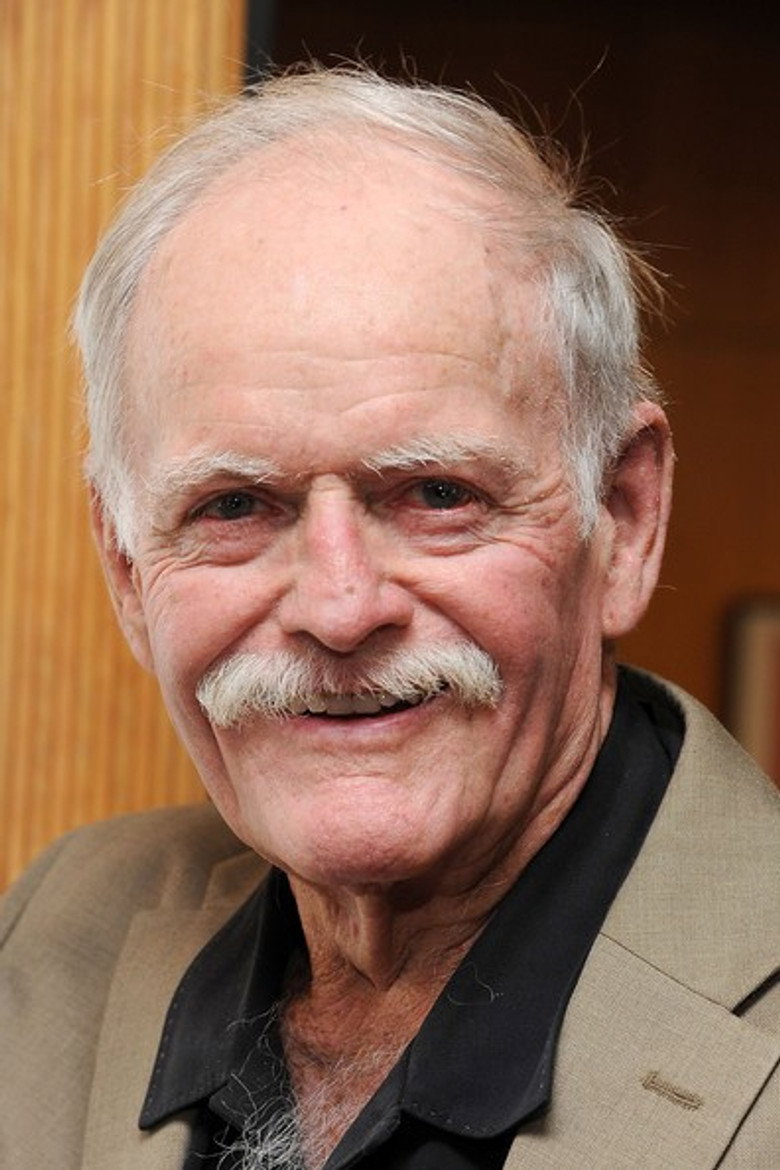
John Morley Stephens (November 17, 1932 - June 18, 2015) was an American cinematographer. He pioneered a number of cinematographic devices, including the body camera mount for the 1966 film Seconds, and the world's first remotely operated pan-and-tilt-head camera. As a cinematographer, Stephens was known for his work on such films as Billy Jack, Blacula, Martin Scorsese's Boxcar Bertha, and William Friedkin's Sorcerer. He also shot the memorable bicycle chase for Steven Spielberg's E.T., though he did not receive on-screen credit for his work.
- Known for
- Camera
- Born
- 1932-11-17 · Valparaiso, Indiana, USA
- Died
- 2015-06-18
Known for
- Titanic (1997) — Second Unit Director of Photography
- Beethoven (1992) — Second Unit Director of Photography
- Midnight Run (1988) — Aerial Director of Photography
- ¡Three Amigos! (1986) — Second Unit Director
- The Arrival (1996) — Aerial Camera
- Sorcerer (1977) — Director of Photography
- Marked for Death (1990) — Second Unit Director of Photography
- Major League II (1994) — Second Unit Director of Photography
- Boxcar Bertha (1972) — Director of Photography
- Grand Prix (1966) — Camera Operator
- Ice Station Zebra (1968) — Additional Photography
- Oklahoma! (1955) — Assistant Camera
- Blacula (1972) — Director of Photography
- Undercover Blues (1993) — Second Unit Director of Photography
- V.I. Warshawski (1991) — Second Unit Director of Photography
- The Hallelujah Trail (1965) — Camera Operator