Andrea Tonacci
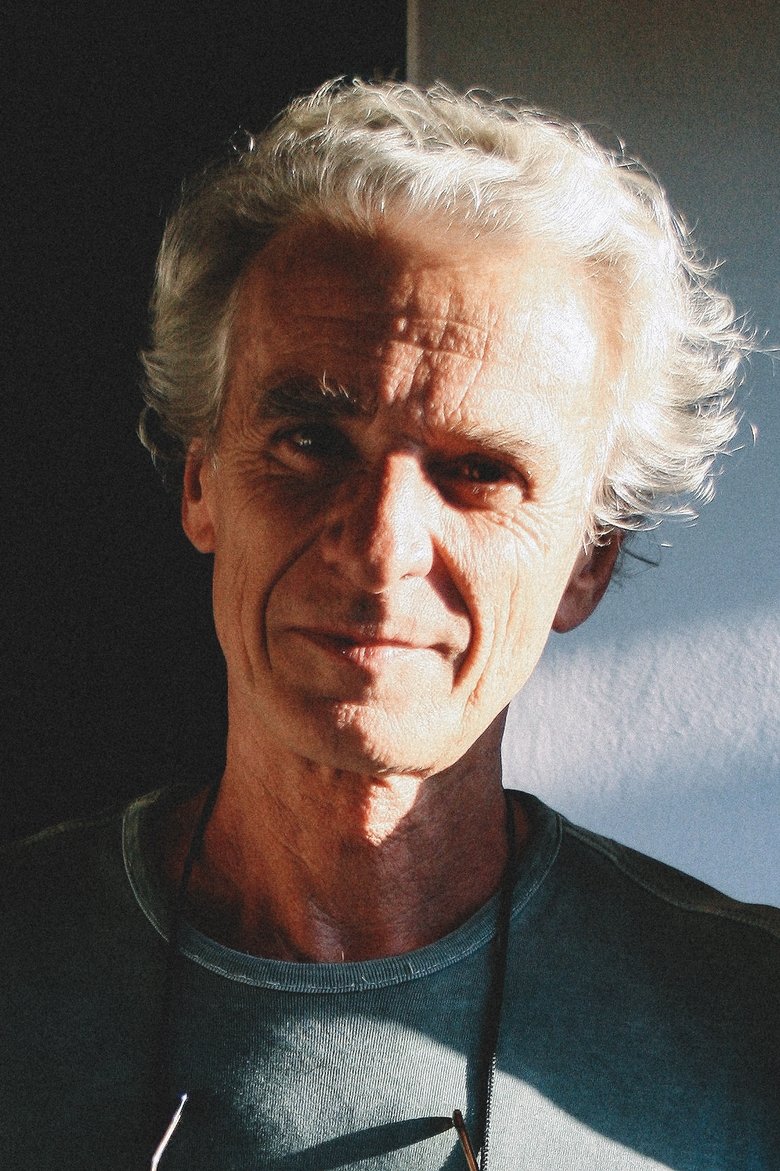
Andrea Tonacci (Rome, 1944 - São Paulo, 2016) was an Italian-Brazilian filmmaker, considered one of the main figures of the Cinema Marginal movement of underground filmmaking in 1970s Brazil. He moved with his parents to São Paulo when he was 11 years-old. A few years later, he studied Architecture and Engineering at the Presbiterian University of Mackenzie, but dropped both careers to purchase his dream of becoming a filmmaker. His first feature-lenght film, "Bang-Bang" (1971), was recieved with mixed opinions by the Cinema Marginal movement and was screened at the Director's Fortnight at the Cannes Festival. In 2006, his film "Serras da Desordem" got him the Kikitos for best photography, best picture and best director at the Gramado Festival of Brazilian Cinema. In 2010, he was given the Order of Cultural Merit, highest honor of the Brazilian Government to personalities who contribute to the development of Brazilian identity and culture. He passed away in December 16, 2016, a victim of pancreatic cancer.
- Known for
- Directing
- Born
- 1944-01-01 · Rome, Italy
- Died
- 2016-06-16
Known for
- The Red Light Bandit (1968) — Production Design
- The Woman of Everyone (1969) — Art Direction
- Bang Bang (1971) — Director
- BLABLABLÁ (1968) — Director
- The Hills of Disorder (2006) — Self (uncredited)
- Eye for an Eye (1966) — Director
- Documentário (1966) — Director of Photography
- Seen, Not Seen (2014)
- The Long Voyage of the Yellow Bus (2023)
- Young and Miserable or a Man Screaming Is Not a Dancing Bear (2016)
- Jouez Encore, Payez Encore (1975) — Director
- Conversas no Maranhão (1983) — Cinematography
- O Catedrático do Samba (1999) — Thanks
- Os Arara (1983) — Director
- Diacuí, a viagem de volta (1986) — Editor
- Andrea Tonacci (2012)