Oscar Apfel
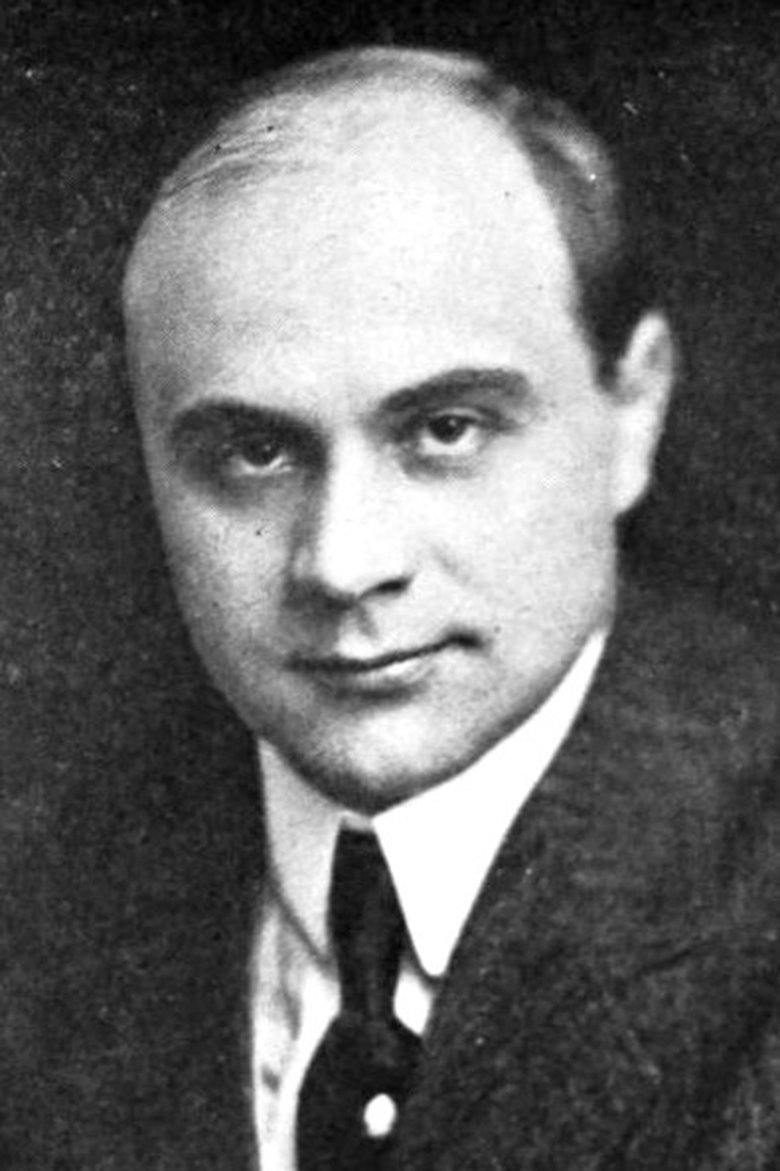
From Wikipedia, the free encyclopedia Oscar C. Apfel (January 17, 1878 – March 21, 1938) was an American film actor, director, screenwriter and producer. He appeared in 167 films between 1913 and 1939, and also directed 94 films between 1911 and 1927. Apfel was born in Cleveland, Ohio. After a number of years in commerce, he decided to adopt the stage as a profession. He secured his first professional engagement in 1900, in his hometown. He rose rapidly and soon held a position as director and producer and was at the time noted as being the youngest stage director in America.[1] He spent eleven years on the stage on Broadway then joined the Edison Manufacturing Company. Apfel first directed for Thomas A. Edison, Inc. in 1911–12, where he made the innovative short film The Passer-By (1912). He also did some experimental work at Edison's laboratory in Orange, on the Edison Talking Pictures devices. After many years as a director, he gradually returned to acting. On March 21, 1938, Apfel died in Hollywood from a heart attack.
- Known for
- Acting
- Born
- 1878-01-16 · Cleveland, Ohio, USA
- Died
- 1938-03-21
Known for
- Manhattan Melodrama (1934) — Speaker of Assembly (uncredited)
- Five Star Final (1931) — Bernard Hinchecliffe
- Abraham Lincoln (1930) — Secretary of War Stanton
- The Story of Temple Drake (1933) — District Attorney (uncredited)
- Employees' Entrance (1933) — Board of Directors Member #5 (uncredited)
- Bordertown (1935) — Judge Rufus Barnswell
- Call Her Savage (1932) — Doctor Treating Crosby (Uncredited)
- Hot Saturday (1932) — Mr. Randolph
- The House of Rothschild (1934) — Prussian Officer
- The Squaw Man (1914) — Writer
- Our Blushing Brides (1930) — Floorwalker (uncredited)
- Man on the Flying Trapeze (1935) — President Malloy
- Hell's Highway (1932) — William Billings
- I Dream Too Much (1935) — Cafe Owner (uncredited)
- Liliom (1930) — Stefen Kadar
- The Yellow Ticket (1931) — British Embassy Butler