Radamés Gnattali
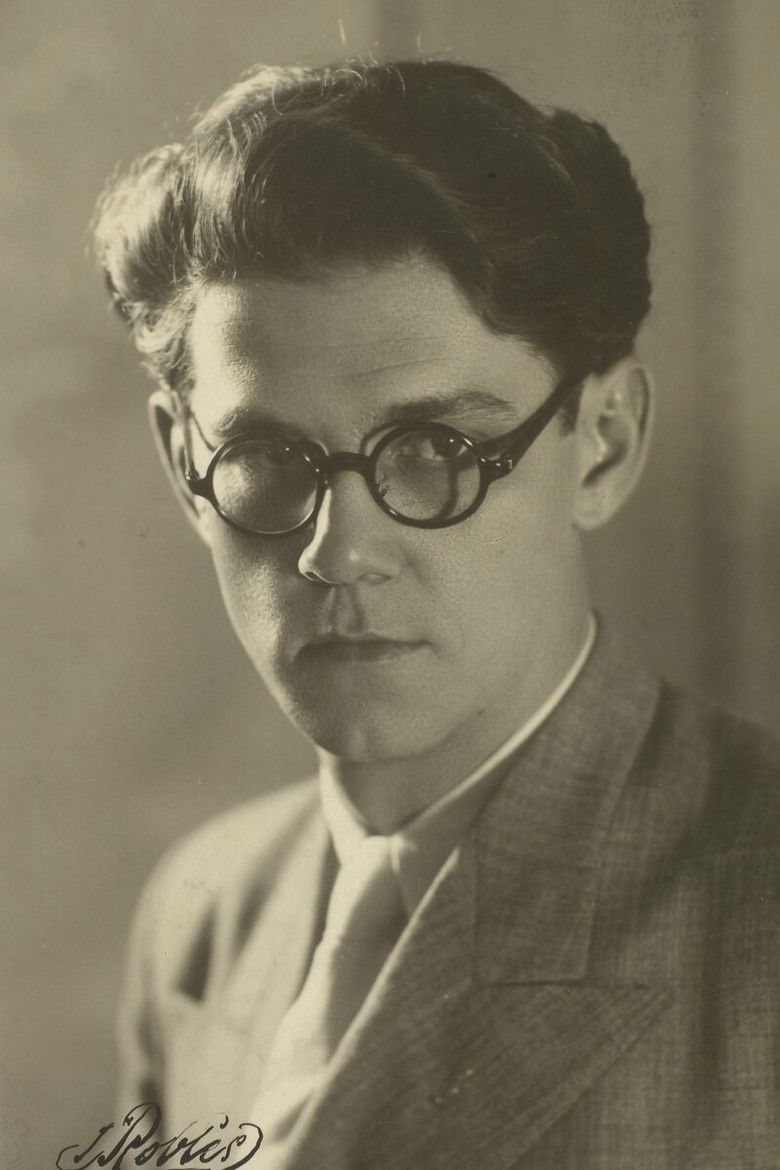
Radamés Gnattali (27 January 1906 – 3 February 1988) was a Brazilian composer of both classical and popular music, as well as a conductor, orchestrator, and arranger. He was the brother of the conductor and arranger Alexandre Gnattali. Gnattali's musical career straddled popular and classical genres and their traditions. His arrangements of samba pieces, involving strings, woodwind and brass (rather than the traditional accompaniments with two guitars, cavaquinho, accordion, tamborin and flute) exposed him to lifelong critical attacks from Brazilian musical traditionalists who resented the "jazzing up" of the genre. Conversely, some of his serious concert pieces (música de concerto) attracted the opposite criticism of inappropriately introducing instruments such as the mandolin, marimba, accordion, mouth organ and electric guitar into the concert hall. In doing this, he was inspired by his friends from the world of popular music, including Jacob do Bandolim, Edu da Gaita and Chiquinho do Acordeom ("Accordion Chiquinho"), for each of whom he composed dedicated concert pieces.
- Known for
- Sound
- Born
- 1906-01-27 · Porto Alegre, Rio Grande do Sul, Brazil
- Died
- 1988-02-13
Known for
- They Don't Wear Black Tie (1981) — Music Director
- Rio, 100 Degrees F° (1955) — Original Music Composer
- The Deceased (1965) — Original Music Composer
- Rio, Northern Zone (1957) — Original Music Composer
- Rough Gang (1933) — Music
- O Homem do Sputnik (1959) — Music Director
- Perdoa-Me Por Me Traíres (1983) — Music
- My Home Is Copacabana (1965) — Original Music Composer
- Sai da Frente (1952) — Music
- Nadando em Dinheiro (1952) — Original Music Composer
- Quem Roubou Meu Samba? (1959) — Original Music Composer
- Clay (1942) — Music Director
- Grande Sertão (1965) — Original Music Composer
- Tico-Tico no Fubá (1952) — Original Music Composer
- O Rei do Movimento (1955) — Original Music Composer
- O Barbeiro Que Se Vira (1958) — Original Music Composer